See MapTrack in action
Take a live, one-on-one tour with a product expert to see how MapTrack helps you track assets in real time, improve team efficiency, and prevent costly downtime.
Asset Tracking Challenges in Oil & Gas Projects
Mar 12, 2025
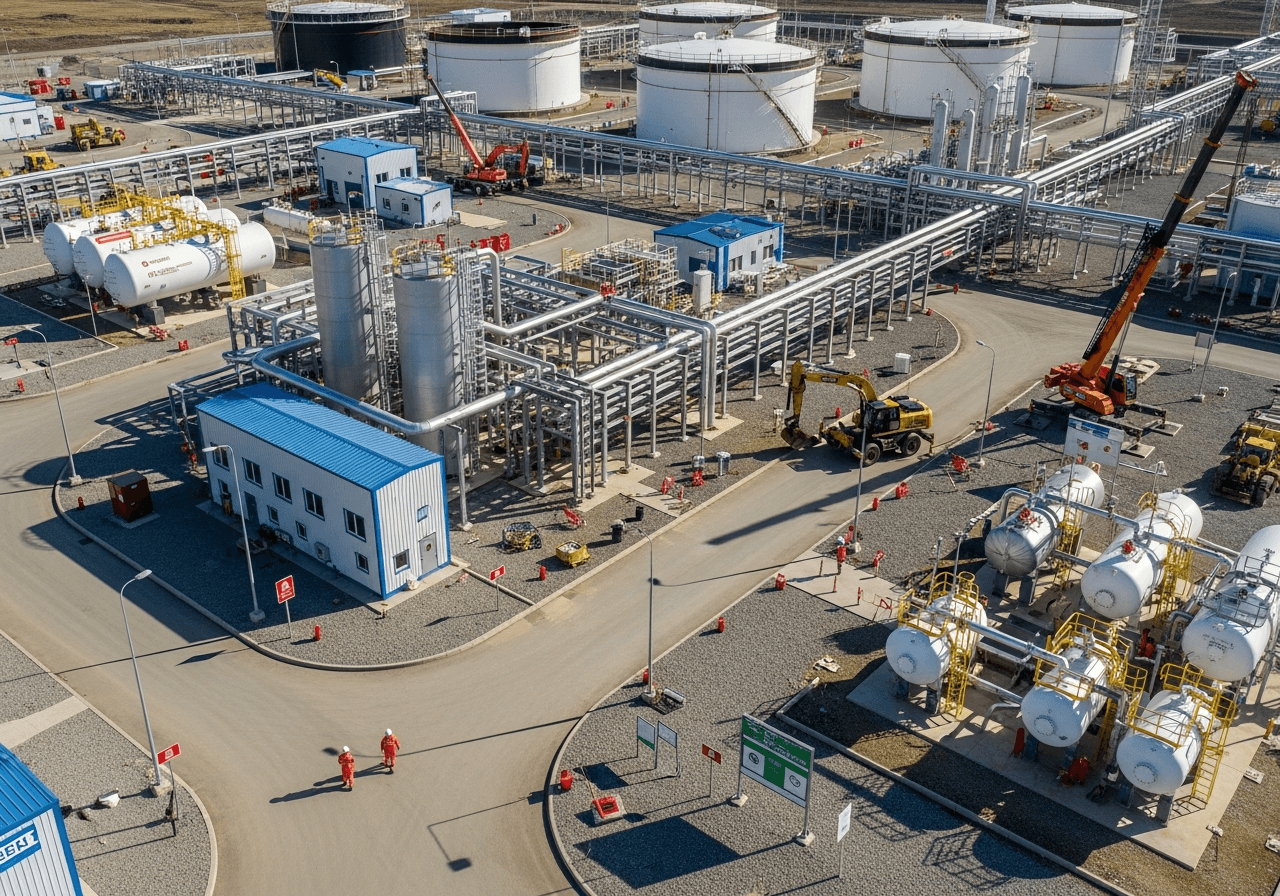
Oil & gas projects operate in high-risk, high-cost environments where tools, equipment, and mobile assets move constantly between sites. Without accurate tracking, teams face delays, lost assets, safety issues, and spiralling project costs.
This article helps operations leaders, HSE teams, asset custodians, and project managers understand the core challenges-and how modern tracking systems resolve them.
Key Asset Tracking Challenges in Oil & Gas Projects
The oil and gas industry operates under specific and challenging conditions that directly influence how assets are tracked, monitored, and managed. Understanding these challenges is crucial for implementing effective asset management solutions that mitigate operational inefficiencies and safety risks.
1. Complex Field Environments and Harsh Conditions
Oil & gas sites, whether offshore rigs, refineries, or remote onshore pipelines, are subjected to extreme environmental conditions. These conditions-such as dust, vibrations, moisture, and fluctuating temperatures-significantly impact the lifespan of equipment and the performance of asset tracking tools.
Why this is a challenge
Labels Deteriorate Quickly: Physical labels, used for asset identification, degrade rapidly under harsh conditions. Exposure to moisture, dust, and extreme temperatures causes them to become unreadable, making asset identification difficult.
Devices Cannot Always Rely on Stable Power or Internet: The reliance on devices for tracking, such as GPS and RFID, becomes problematic when these devices cannot maintain a stable power supply or internet connection, especially in remote areas. This creates gaps in data capture and can lead to missed updates on asset status.
Workers Often Operate Under Time Pressure: Workers in the field are often under pressure to complete tasks quickly, which increases the likelihood of human error when tracking assets. This can lead to incorrect data entry or missed updates.
Summary: Environmental factors, such as rough terrain, fluctuating temperatures, and unreliable power, make consistent and accurate asset tracking difficult unless rugged, flexible tracking systems are used.
2. Constant Movement of Tools and Equipment
Field technicians frequently move tools between wells, rigs, workshops, and vehicles. This constant movement leads to inefficiencies and blind spots when traditional methods-such as manual spreadsheets or sign-out sheets-are used to track asset locations.
Problems Caused
Assets “Go Missing” Between Job Sites: When tools are frequently moved between multiple sites without accurate tracking, it’s easy for equipment to be misplaced or forgotten, leading to inefficiencies and delays.
Tools Stay in Vehicles Longer Than Intended: Tools or equipment may remain in vehicles or workshops longer than needed, causing delays in production or operational efficiency, as workers are unable to access them when required.
Shared Equipment Becomes Hard to Locate Quickly: Shared assets-those used by multiple teams-are particularly vulnerable to delays when there is no efficient tracking system, leading to time wasted searching for equipment.
Project Delays Occur Due to Unavailability of Critical Tools: The lack of visibility and poor management of equipment can delay projects, particularly if critical tools cannot be located or are unavailable when needed.
Technical Term
Asset Utilisation: This refers to the measure of how often assets are actively used versus sitting idle or unavailable. Low asset utilization can directly impact project timelines and increase costs.
Summary: High asset movement and limited visibility over tool locations lead to low asset utilization, increased replacement costs, and delays due to the unavailability of critical equipment.
3. Human Error in Manual Processes
Even the most highly trained teams can struggle with manual tracking workflows, leading to significant inefficiencies and potential safety risks.
Common Failure Points:
Forgetting to Record Check-outs: In the rush of daily activities, field workers may forget to log tools when they are checked out, leading to gaps in asset history.
Relying on Paper Logs That Degrade in the Field: Paper-based logs, which are often used for asset tracking, degrade under harsh field conditions. This causes loss of important data and inconsistent record-keeping.
Inconsistent Data Entry: Using nicknames, abbreviations, or omitting serial numbers leads to inconsistency in data entry, making it harder to track assets accurately over time.
No Centralized View of Asset Condition or History: Without centralized data, teams lack an accurate view of an asset’s condition, usage history, or upcoming maintenance needs.
Summary: Manual tracking processes break down when field teams are under pressure, resulting in poor data entry, incomplete records, and difficulty tracking the condition and location of assets.
4. Lack of Condition Reporting and Maintenance Visibility
The safety and regulatory compliance of oil & gas projects heavily depend on well-maintained equipment. However, poor condition tracking can lead to significant risks.
When Condition Tracking is Poor:
Damaged Tools Return to Service Without Inspection: Tools may be returned to service without proper inspection, increasing the risk of using faulty or damaged equipment.
Maintenance Schedules Are Missed: Inconsistent or absent condition reports can result in missed maintenance schedules, leaving tools unfit for operation when needed most.
Operators Unknowingly Use Unsafe Equipment: Without up-to-date condition reports, operators may unknowingly use unsafe equipment, which could lead to accidents, downtime, or legal repercussions.
Root-Cause Investigations Become Harder: Without clear condition data, investigating the root causes of failures becomes more difficult, prolonging downtime and affecting productivity.
Technical Term:
Condition Report: A structured inspection report that captures the status of assets, including photographs, notes, and required follow-up actions.
Summary: Without clear condition reporting, safety and operational risks increase, maintenance becomes unpredictable, and downtime is difficult to manage.
5. Remote Worksites and Connectivity Gaps
Many oil & gas projects operate in remote areas with limited or intermittent connectivity. This creates challenges for real-time asset tracking and data synchronization.
Why This Matters:
Teams Cannot Rely on Cloud Access for Every Check-in/Out: In remote areas, where connectivity is limited, teams are unable to continuously access cloud-based systems. This creates delays in data entry and increases the chances of errors.
Offline Tracking Methods Become Inconsistent: Without reliable connectivity, offline tracking methods must be used. These methods are prone to inconsistency and data loss, especially if reconciliation happens long after the asset has been used or moved.
Reconciliation Must Happen Later, Often Inaccurately: When data cannot be logged in real-time, the reconciliation process must happen later. This often leads to inaccurate records, as workers may forget details or misplace equipment in the interim.
Summary: Remote sites with poor connectivity create gaps in asset tracking data, unless systems are specifically designed to work offline and synchronize when connectivity is available.
6. Limited Accountability and Auditability
The oil & gas sector is highly regulated, requiring clear evidence of compliance and reliable audit trails for tools and equipment usage. Gaps in traditional asset tracking systems undermine this accountability.
Gaps in Traditional Systems:
No Reliable History of Who Used What: Traditional methods lack a clear history of which team members have used specific equipment, making it difficult to trace back to accountable individuals when issues arise.
Photos and Conditions Are Rarely Recorded: Many tracking systems do not capture photographic evidence of asset condition, which can be critical for audits or investigations.
Investigations Take Hours or Days: In the absence of reliable tracking systems, investigations into missing or damaged equipment can take hours or even days, slowing down project timelines and complicating safety audits.
Safety Audits Become Time-Consuming: The lack of streamlined, digital records makes safety audits far more time-consuming, reducing overall operational efficiency.
Summary: A lack of a clear chain of custody and proper tracking systems reduces accountability and complicates safety and compliance efforts.
Practical Example: A Remote Pipeline Inspection Crew
This example highlights the challenges faced by maintenance crews working on remote oil and gas pipeline sections. A crew of technicians travels 150 km to perform an inspection and maintenance task. During this process, several critical tools are assigned to different technicians, each responsible for specific equipment. However, the lack of effective tracking and monitoring results in operational inefficiencies and safety concerns.
To address these issues, implementing systems aimed at reducing equipment loss in oil & gas fields is crucial. With the right tools and tracking mechanisms, maintenance teams can avoid misplaced or unaccounted-for equipment, improving overall efficiency and safety on-site.
Typical issues faced:
One Tool is Left in a Ute Overnight at Another Site: One of the most common challenges faced in remote operations is the misplacement or forgetting of tools. In this case, one of the impact wrenches was left in a ute (utility vehicle) overnight at a different job site.
A Gas Detector Shows a Fault, But No Condition Report is Filed: During the inspection, one of the gas detectors shows a fault, but the technician does not file a condition report to document the issue.
The Next Crew Assumes All Tools Are Available and Functional, But Finds Missing Equipment. The subsequent crew, arriving to continue the work, assumes all tools are available and fully functional, only to find that equipment is missing or malfunctioning.
Outcome:
These issues lead to:
Delayed Work: Tools aren’t ready when needed, causing work to be delayed.
Increased Costs: The crew wastes time searching for tools or waiting for replacements, driving up costs.
Safety Risks: Using broken or unreported equipment, like the gas detector, can expose the crew to dangerous situations.
How MapTrack Helps Solve These Challenges
MapTrack is a specialized asset management system designed specifically for field-heavy industries, such as oil & gas. These industries face unique challenges related to mobile assets, remote teams, and safety-critical tools. MapTrack addresses these challenges by offering solutions that ensure accurate tracking, increased efficiency, and heightened safety.
1. Fast Check-In/Check-Out
MapTrack simplifies the process of checking in and out tools by using mobile-friendly assignments, barcode scanning, and photo-based records. Technicians can quickly confirm which tools they have by scanning barcodes or taking pictures, reducing human error and speeding up the process.
This makes asset tracking more accurate and efficient, ensuring that equipment is properly accounted for and ready to be used when needed.
2. Clear Accountability With Photos, Locations & Conditions
Each assignment in MapTrack is equipped with crucial details:
Who has the asset
When it was taken
Where it is
Photos and current condition
Why this helps: Clear accountability is crucial for safety and compliance. MapTrack tracks each asset’s location, status, and condition, creating a transparent record. This helps managers and teams verify tool usage, monitor its movement, and ensure safety standards are met in real time.
Outcome: This documentation improves efficiency and ensures regulatory compliance. It provides a clear history of each tool, making audits and inspections quicker and more accurate.
3. Condition Reports & Checklists
MapTrack makes it easy to report issues with tools using mobile forms. Technicians can quickly capture details, attach photos, and request maintenance actions, ensuring problems are addressed promptly and equipment stays in good condition.
4. Smart Lock Integrations
MapTrack integrates with smart locks to secure valuable tools, ensuring only authorized personnel can access them. This helps prevent theft and misuse, improving security and ensuring tools are used safely and appropriately.
5. Designed for Harsh, Remote Environments
MapTrack is built to work in tough conditions, including remote locations with poor connectivity. It supports offline use, barcode scanning, and is durable enough to handle the challenges of oil & gas field environments.
6. Mobile-First for Maximum Adoption
MapTrack is designed to work directly on smartphones, making it easy for technicians to track assets without needing extra tools like laptops or spreadsheets. This simplicity increases adoption and helps teams use the system more effectively.
MapTrack is an advanced asset tracking solution designed to address the unique challenges faced by oil & gas teams in remote, harsh environments. By reducing loss, improving asset utilization, strengthening safety and compliance, and offering full visibility into operations, MapTrack ensures that teams can manage their assets efficiently and safely. With mobile-first features, offline capabilities, and robust security integrations, it is an essential tool for managing assets in the oil & gas sector.
Frequently Asked Questions (FAQ)
What makes asset tracking harder in oil & gas compared to other industries?
The combination of harsh environments, remote sites, constant equipment movement, and strict safety requirements creates unique operational complexity.
How can I reduce tool loss on multi-site projects?
Digitise check-in/out, use barcodes, enforce assignments with photos, and maintain a centralised database accessible from mobile devices.
What should condition reports include?
Status notes, damage indicators, photos, timestamps, and technician details—ideally captured immediately during handover or inspection.
How does asset tracking improve safety?
By ensuring only functional, inspected equipment enters service; by creating accountability; and by identifying early signs of equipment failure.
Can asset tracking software work offline?
Yes—modern systems like MapTrack allow offline data capture and sync automatically once connectivity returns.
How do smart locks help with tool control?
They restrict access to authorised personnel and create digital logs of who accessed storage and when.
Conclusion & Actionable Takeaways
Oil & gas projects demand rigorous asset control to maintain safety, productivity, and cost efficiency.
To overcome common challenges, teams should:
Digitise manual tracking processes
Centralise condition reporting
Use mobile-first tools for field adoption
Implement clear accountability workflows
Leverage technology like barcodes and smart locks
Modern asset tracking platforms like MapTrack deliver the visibility and control required to operate safely and efficiently across complex field environments.