See MapTrack in action
Take a live, one-on-one tour with a product expert to see how MapTrack helps you track assets in real time, improve team efficiency, and prevent costly downtime.
How Construction Firms Improve ROI with GPS Tracking
Apr 14, 2025
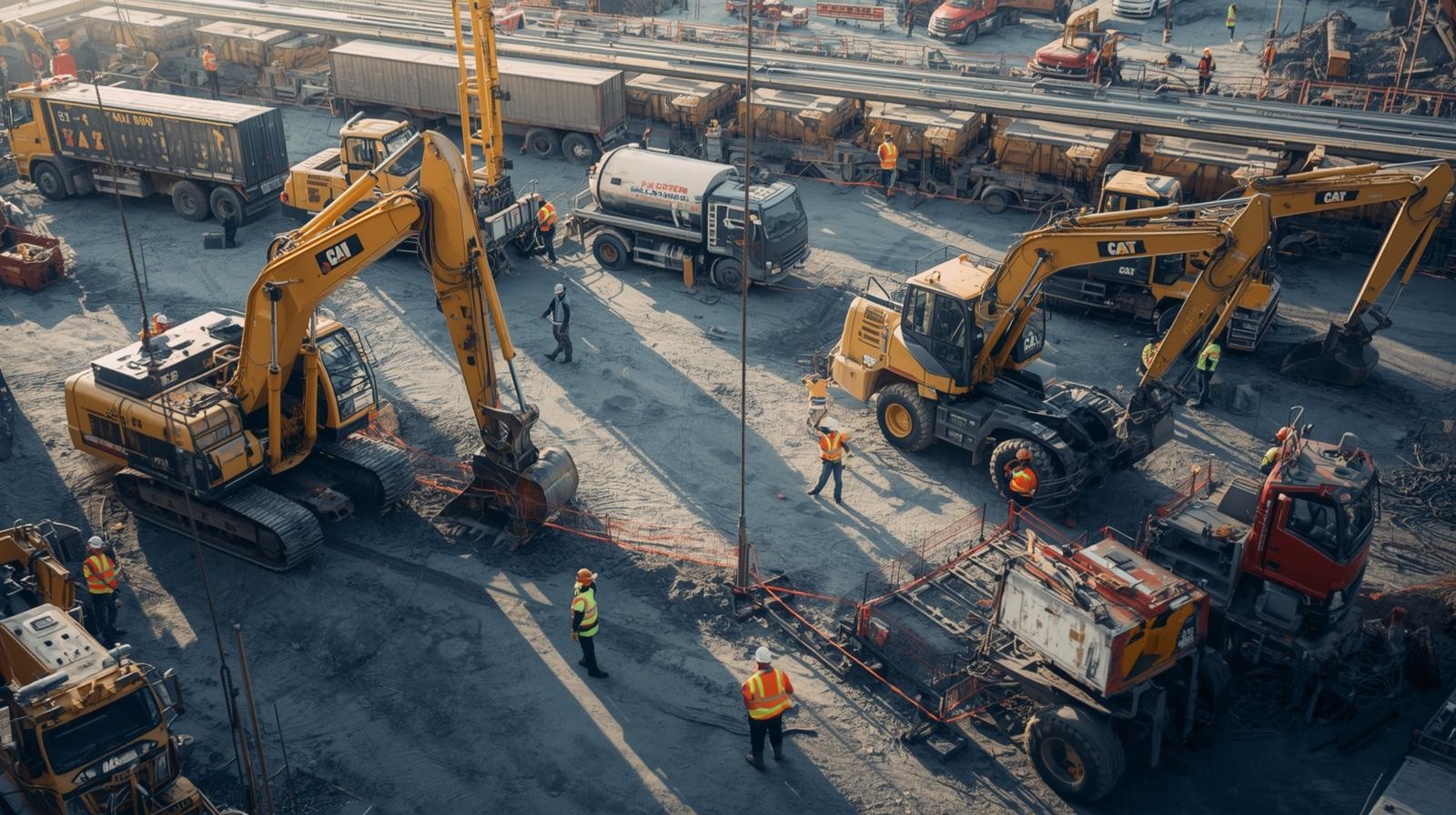
Construction firms invest heavily in machinery, tools, vehicles, and field operations. Yet many struggle with delays, equipment misuse, loss, and inefficient deployment—factors that reduce project profitability. GPS tracking gives construction companies real-time visibility over mobile assets, enabling better planning, lower costs, and higher ROI.
This article explains how GPS tracking enhances ROI across major construction workflows, from equipment management to field operations and maintenance.
Why Construction Firms Struggle with ROI
Many construction firms lose ROI due to poor control of their equipment and assets. The points below explain the key challenges that drive inefficiency and hidden costs on construction sites.
Poor Visibility of Mobile Assets
Construction sites are dynamic, with equipment constantly moving between locations, making it difficult to track assets effectively.
Common Problems
Lost or misplaced equipment
Workers spending hours searching
Idle machinery not being utilised
Delays due to unavailable tools or vehicles
Summary: The lack of visibility into asset locations directly impacts productivity and ROI by causing delays and wasting valuable resources.
Unplanned Equipment Downtime
Unplanned equipment breakdowns are a major disruptor on construction sites and can have significant financial repercussions.
Results of Poor Maintenance
Missed project deadlines
High repair costs
Equipment rentals to fill temporary gaps
Lower equipment lifespan
Summary: Unplanned downtime, driven by poor maintenance, is a substantial cost driver in construction and severely impacts ROI.
Inefficient Equipment Allocation
Without tracking and activity data, construction firms are often left to guess how many machines or tools are needed for a particular task or project.
Inefficiencies
Underutilised equipment drains capital
Overutilised equipment wears down faster
Projects experience uneven resource distribution
Summary: Tracking equipment usage ensures that assets are deployed strategically, preventing both underutilization and overutilization, which ultimately improves ROI.
Fuel Waste & Unauthorized Use
Construction vehicles often idle unnecessarily or take inefficient routes, leading to significant fuel waste and added costs.
Cost Consequences
High fuel consumption
Extra wear on engines
Unsafe or unauthorized after-hours use
Summary: GPS monitoring helps detect and prevent wasteful behavior, reducing fuel consumption, wear on engines, and unauthorized usage, thus enhancing ROI.
Theft of Machinery, Tools & Vehicles
Construction sites are prime targets for theft due to the open nature of the environment and the high value of the equipment used.
Theft Impacts
Replacement costs
Rental fees during the loss period
Project delays
Increased insurance premiums
Summary: GPS tracking enables instant alerts and rapid recovery of stolen assets, reducing the financial and operational impact of theft and improving ROI.
How GPS Tracking Improves ROI for Construction Firms
GPS tracking turns construction assets into measurable profit drivers. By improving visibility, control, and efficiency across sites, GPS helps construction firms cut waste, boost productivity, and maximize ROI in practical, measurable ways—explained in the points below.
1. Real-Time Location Tracking Prevents Delays
GPS tracking enables construction companies to know the exact location of equipment and vehicles across all job sites in real time.
Benefits
Faster deployment
Reduced worker downtime
Improved scheduling accuracy
Less time wasted searching
Summary: Time saved through efficient asset management translates to immediate ROI gains.
2. Improve Equipment Utilisation Rates
GPS tracking provides valuable data on how often machines and equipment are being used on-site.
ROI Boosters
Identify underused equipment
Avoid unnecessary purchases
Reassign assets to high-demand areas
Reduce fleet size without affecting productivity
Summary: Better utilization of assets reduces capital expenditure, improving ROI by optimizing fleet management.
3. Reduce Fuel Costs and Idle Time
GPS tracking logs driving patterns, idle times, and routes taken by vehicles and machinery.
ROI Outcomes
Lower fuel consumption
Reduced emissions
Less unauthorized vehicle usage
Better planning for refueling
Summary: Even small improvements in fuel efficiency can generate significant annual savings, driving up ROI.
4. Strengthen Maintenance and Reduce Breakdowns
GPS devices track engine hours, mileage, and operating cycles, which helps improve maintenance practices.
Maintenance Benefits
Scheduled servicing
Early detection of mechanical issues
Longer equipment lifespan
Fewer expensive emergency repairs
Summary: Preventive maintenance driven by GPS tracking leads to high returns by improving asset longevity and minimizing unplanned downtime.
5. Improve Worker Productivity
GPS eliminates the need for workers to spend hours searching for equipment, enhancing productivity across the board.
Productivity Gains
Faster job starts
More tasks completed daily
Less frustration and miscommunication
Reduced overtime costs
Summary: GPS tracking enhances operational efficiency, helping teams complete more tasks with fewer delays, boosting overall productivity and ROI.
6. Protect Equipment from Theft
GPS tracking sends alerts if equipment moves outside defined boundaries, helping prevent theft.
Anti-Theft ROI
Quick recovery
Fewer insurance claims
Lower replacement costs
Stronger site security
Summary: The ability to prevent theft and recover stolen equipment can justify the investment in GPS tracking, protecting assets and reducing costs.
Practical Example: A Construction Firm Using GPS to Improve ROI
A civil engineering contractor overseeing multiple project sites faced significant challenges in managing machinery efficiently, which impacted both costs and project timelines. The firm decided to implement GPS tracking to enhance visibility, improve asset management, and ultimately boost ROI.
Before GPS
Before implementing GPS tracking, the company struggled with several key issues that resulted in inefficiencies and unnecessary costs.
Excavators frequently misplaced
IDling trucks burned excessive fuel
Crews waited hours for equipment delivery
Breakdowns delayed concrete pouring
After Implementing GPS Tracking
With GPS tracking implemented, the company experienced noticeable improvements in efficiency and cost management across its job sites.
Supervisors saw live locations of all equipment
Fuel usage dropped 25%
Preventive maintenance reduced breakdowns
Crews completed more work per shift
Outcome: The implementation of GPS tracking brought significant improvements in operational efficiency and cost savings for the company. The company improved ROI by cutting operating expenses and completing projects faster.
How MapTrack Helps Construction Firms Maximise ROI
MapTrack offers construction firms a comprehensive solution that combines GPS tracking with advanced asset management features. By providing real-time visibility, streamlined check-ins/check-outs, and digital reporting, MapTrack optimizes equipment usage and enhances overall efficiency, ultimately maximizing ROI.
Real-Time Equipment Visibility
MapTrack provides construction firms with the ability to track the location and status of vehicles, tools, and machinery across all job sites in real-time.
Fast Check-In/Check-Out
MapTrack simplifies the check-in/check-out process by using QR or barcode scans, providing a clear record of who used the equipment last.
Digital Condition Reports & Maintenance Logs
With MapTrack, technicians can capture damage reports and inspection results using digital condition reports and photos.
Mobile-Friendly Design
MapTrack’s mobile-friendly design allows field workers to access all asset management data directly on-site, even in remote locations.
Summary: MapTrack combines GPS data with tracking, reporting, and maintenance workflows, creating a unified system that improves asset management, reduces operational inefficiencies, and enhances project performance.
FAQ
What equipment benefits most from GPS tracking?
Excavators, skid steers, trucks, generators, trailers, and mobile site assets.
Does GPS tracking really improve ROI?
Yes—through reduced downtime, better utilisation, lower fuel costs, and theft prevention.
Can GPS reduce delays on construction sites?
Absolutely—it improves deployment speed and equipment availability.
Is GPS effective for subcontractor equipment?
Yes—MapTrack supports assigning assets to subcontractor teams.
What metrics does GPS track?
Location, engine hours, idle time, speed, and usage patterns.
Does GPS integrate with MapTrack?
Yes—MapTrack supports GPS-enabled asset profiles to unify tracking and reporting.
Conclusion & Actionable Takeaways
To improve ROI with GPS tracking, construction firms should:
Track all mobile assets in real time
Use GPS data to optimise utilisation
Monitor fuel use and idle time
Schedule preventive maintenance
Reduce theft risk with geo-fencing
Integrate GPS with digital asset management
MapTrack helps construction firms increase ROI by improving visibility, reducing downtime, and strengthening operational efficiency.