See MapTrack in action
Take a live, one-on-one tour with a product expert to see how MapTrack helps you track assets in real time, improve team efficiency, and prevent costly downtime.
How HVAC Companies Reduce Downtime with GPS Tracking
Sep 3, 2025
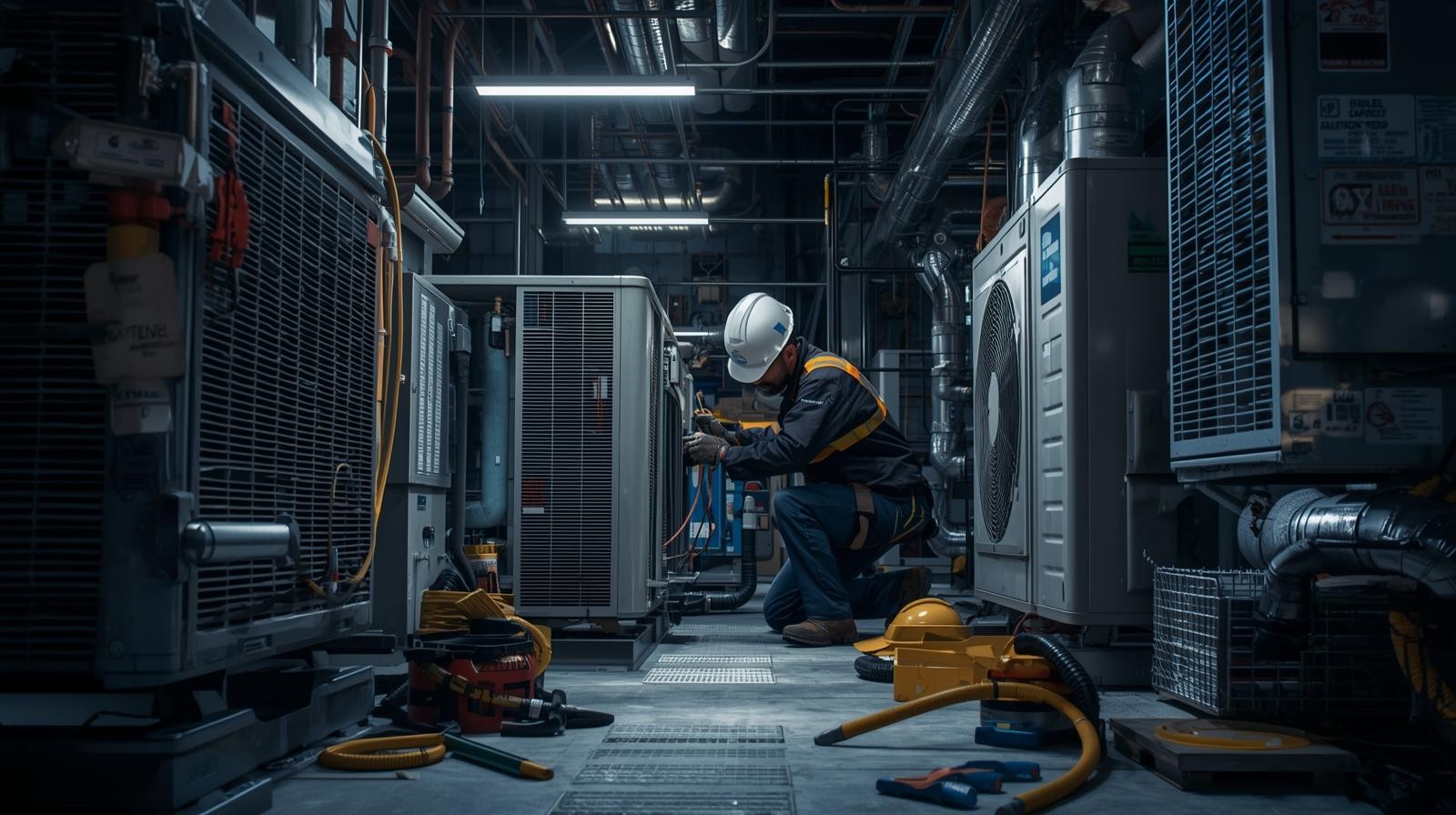
For HVAC companies, downtime—whether caused by missing equipment, delayed technicians, or unexpected failures—directly impacts customer satisfaction and profitability. With multiple job sites, fleet vehicles, and mobile equipment, keeping operations running smoothly is a challenge.
GPS tracking gives HVAC teams real-time visibility over vehicles, portable equipment, and field operations, helping reduce delays, optimise workflows, and improve service delivery.
This article explains how HVAC companies use GPS tracking to minimise downtime and strengthen overall efficiency.
Why HVAC Companies Experience Downtime
Downtime is a major concern for HVAC companies, affecting both productivity and profitability. There are several factors that contribute to this issue, ranging from inefficient dispatching to misplaced equipment and breakdowns. Below are the key reasons HVAC companies experience downtime and how these challenges can be mitigated.
Technicians Delayed by Poor Dispatching
Without real-time location data, dispatch teams rely on estimates to assign jobs, leading to inefficiencies.
Problems
Longer travel times
Delays reaching urgent jobs
Inefficient routing
Miscommunication between office and field
Summary: GPS enables smarter routing by providing real-time data, allowing dispatch teams to make faster, more accurate decisions that reduce travel times and improve response efficiency.
Missing or Misplaced Equipment
HVAC technicians rely on portable tools and service equipment, often stored in vehicles or warehouses. However, locating equipment can become a challenge.
Downtime Causes
Tools left at previous job sites
Missing gauges, vacuums, or recovery units
Difficulty locating shared equipment
Summary: GPS improves visibility by tracking the location of equipment in real-time, significantly reducing the time wasted searching for tools and ensuring that technicians always have access to the equipment they need.
Breakdowns from Poorly Timed Maintenance
Fleet vehicles and HVAC equipment both require regular servicing to avoid breakdowns and costly repairs.
Issues Without Tracking
Unexpected failures
Emergency repairs
Jobs canceled or rescheduled
Summary: GPS usage data helps track service intervals for both fleet vehicles and HVAC equipment, supporting preventive maintenance that reduces breakdowns and avoids costly emergency repairs.
Inefficient Use of Vehicles and Equipment
HVAC companies often face inefficiencies in the way their vehicles and equipment are used, resulting in wasted resources.
Impact
Higher fuel consumption
Excessive wear on certain assets
Uneven crew productivity
Summary: GPS tracking allows companies to monitor asset usage, balancing workloads and improving resource allocation to ensure more efficient use of both vehicles and equipment, reducing fuel costs and wear on assets.
Theft of HVAC Tools and Equipment
HVAC contractors often face the risk of theft, especially for high-value items like recovery machines and vacuum pumps.
Theft Impact
High replacement costs
Delayed job completion
Project rescheduling
Summary: GPS tracking provides alerts when equipment is moved outside predefined boundaries, improving the chances of recovery and significantly reducing the financial impact of theft.
How GPS Tracking Helps Reduce Downtime in HVAC Operations
GPS tracking plays a crucial role in improving the efficiency of HVAC operations by minimizing downtime, optimizing resource usage, and ensuring timely service. By utilizing real-time data, GPS tracking helps HVAC companies reduce delays, enhance productivity, and lower operational costs.
1. Smarter Dispatching and Routing
GPS provides real-time vehicle locations, allowing for intelligent scheduling and smarter dispatching decisions.
Benefits
Assign the nearest technician
Reduce driving time
Improve arrival accuracy
Respond faster to emergencies
Summary: Faster dispatching means reduced customer downtime and increased technician productivity.
2. Real-Time Visibility of HVAC Equipment
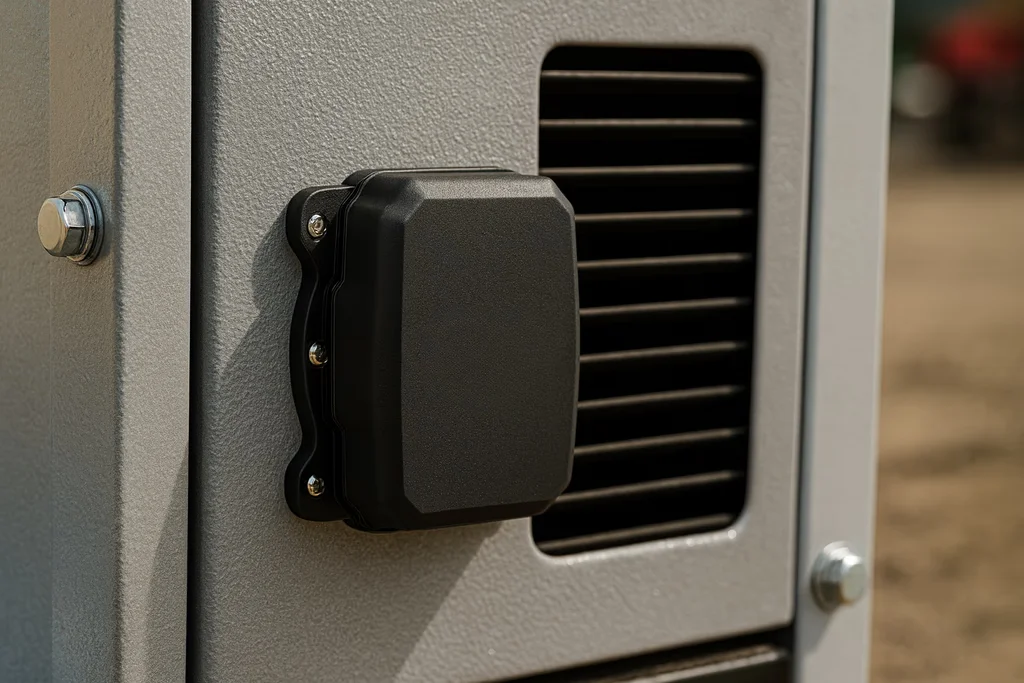
GPS tags provide visibility into the location of larger portable assets, ensuring that HVAC technicians always know where their equipment is.
Trackable Items
Refrigerant recovery units
Vacuum pumps
Ladders
Portable generators
Diagnostic equipment
Summary: With GPS, HVAC teams can always track where their essential tools and equipment are, ensuring they’re readily available when needed. This reduces the time wasted searching for equipment and increases the efficiency of fieldwork
3. Usage Data Supports Preventive Maintenance
GPS tracking logs valuable data such as mileage, run-time, and engine hours, helping HVAC companies stay on top of preventive maintenance schedules.
Benefits
Schedule maintenance before breakdowns
Extend vehicle and equipment lifespan
Reduce emergency repairs
Prevent job delays
Summary: Preventive maintenance, driven by GPS data, increases the reliability of HVAC systems, minimizing the likelihood of unexpected breakdowns.
4. Reduce Fuel Waste and Idle Time
GPS tracking monitors idle habits and route inefficiencies, helping companies reduce unnecessary fuel consumption and improve routing.
ROI
Lower fuel bills
Reduced emissions
Less wear on engines
Better technician performance
Summary: Fuel efficiency driven by GPS tracking reduces operational downtime and costs, improving the overall profitability of HVAC operations.
5. Improve Technician Accountability
GPS data allows for real-time monitoring of asset and vehicle status, preventing misuse and ensuring tools and equipment are used appropriately.
Helps With
Tracking job progress
Monitoring after-hours use
Ensuring tools return to correct vehicles
Summary: Real-time tracking improves accountability, ensuring efficient operations and preventing misuse or misallocation of resources.
6. Strengthen Theft Prevention
GPS tracking sends alerts if tools or vehicles are moved outside designated areas or geofenced zones, improving theft prevention.
Benefits
Faster asset recovery
Fewer replacement delays
Improved site/job security
Summary: GPS-enabled theft prevention reduces costly interruptions by improving asset security and enabling quick recovery.
Practical Example: GPS Tracking in an HVAC Service Company
An HVAC contractor with a fleet of 20 vehicles and 40 technicians faced challenges with delays, misplaced equipment, and unexpected breakdowns. By implementing GPS tracking, the company streamlined operations, improved efficiency, and enhanced customer service.
Before GPS Tracking
Before implementing GPS tracking, the company faced several operational challenges that led to delays, inefficiencies, and increased costs.
Technicians arrived late due to inefficient routing
Tools often misplaced across vans
Vehicles broke down unexpectedly
Overused equipment failed mid-job
After Implementing GPS
The HVAC contractor adopted GPS tracking, which helped address these issues and improve operational efficiency across the company.
Dispatchers routed technicians based on real-time GPS
Portable HVAC equipment was tracked across job sites
Vehicles received preventive maintenance alerts
Idle time dropped significantly
Outcome: By implementing GPS tracking, the HVAC contractor was able to significantly improve response times, reduce downtime, and enhance operational efficiency. Response times improved by 35%, downtime decreased, and operational efficiency increased substantially.
How MapTrack Strengthens HVAC GPS Tracking
While GPS tracking provides essential location visibility, MapTrack enhances this by adding comprehensive asset management features that offer a more holistic approach to HVAC operations. This combination of GPS data with MapTrack’s full capabilities ensures that HVAC teams can efficiently manage their tools, equipment, and maintenance processes, ultimately boosting productivity and minimizing downtime.
Asset Tracking & Assignments
MapTrack enables HVAC teams to track tools, equipment, and vehicles using real-time data, including photos, locations, and condition reports.
Digital Checklists for HVAC Maintenance
MapTrack provides digital checklists that guide technicians through HVAC inspections, ensuring that all maintenance tasks are completed consistently.
Condition Reporting with Photos
MapTrack allows technicians to document equipment issues immediately by uploading photos directly into the system.
Fast Check-In/Check-Out
MapTrack enables HVAC teams to track portable tools and shared equipment by using a fast check-in/check-out system, improving accountability.
Summary: Fast check-in/check-out processes improve accountability and ensure HVAC teams have the right tools when needed, reducing downtime and enhancing resource management.
FAQ
What HVAC equipment benefits most from GPS tracking?
Recovery units, vacuum pumps, generators, ladders, and vehicles.
How does GPS reduce technician downtime?
By improving dispatch accuracy, routing, and equipment availability.
Can GPS help reduce fuel consumption?
Yes—GPS identifies idling, inefficient routes, and misuse.
Does GPS prevent theft?
GPS sends location alerts and improves recovery success rates.
Can MapTrack track both vehicles and tools?
Yes—MapTrack combines GPS visibility with full asset profiles and workflows.
Is GPS useful for HVAC companies with small fleets?
Yes—any company with mobile technicians benefits from tracking.
Conclusion & Actionable Takeaways
To reduce downtime and improve HVAC operations, companies should:
Use GPS to optimise technician dispatch
Track portable HVAC equipment with digital tags
Use GPS usage data for preventive maintenance
Monitor idle time and fuel consumption
Strengthen theft prevention with geofencing
Combine GPS with asset management for full visibility
MapTrack helps HVAC teams minimise downtime, improve efficiency, and deliver dependable service through powerful GPS-enhanced asset tracking.