See MapTrack in action
Take a live, one-on-one tour with a product expert to see how MapTrack helps you track assets in real time, improve team efficiency, and prevent costly downtime.
Reduce Downtime With a Construction Maintenance Checklist
Jul 14, 2025
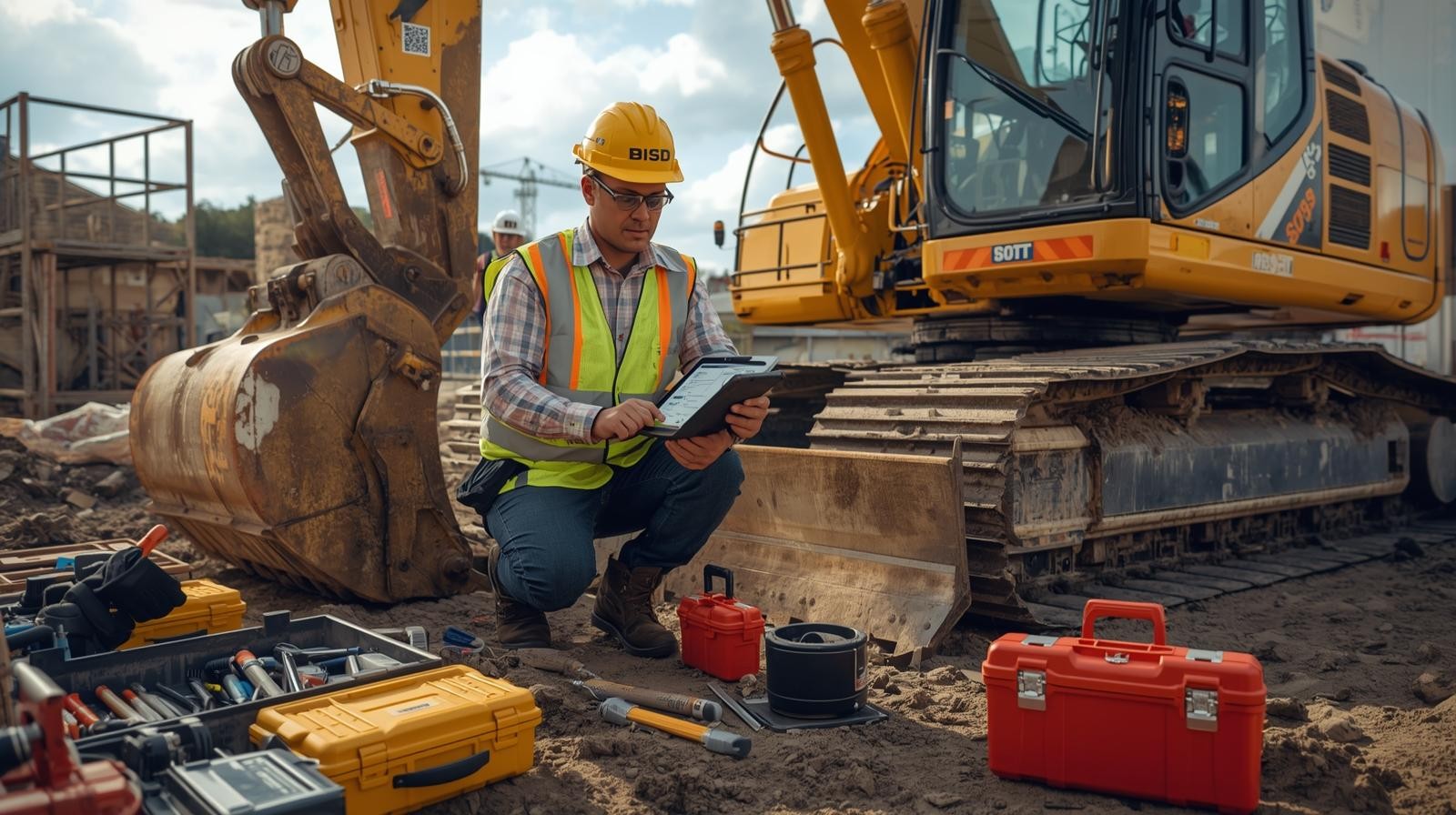
Construction companies rely heavily on equipment such as excavators, loaders, forklifts, generators, and power tools. When these assets fail unexpectedly, projects stall, costs rise, and worker safety is compromised.
A preventive maintenance template provides a structured, repeatable workflow to inspect, service, and document construction equipment before issues turn into breakdowns.
This article outlines what a preventive maintenance template should include and how digital asset management tools help construction teams stay on schedule and compliant.
Why Preventive Maintenance Matters in Construction
Preventive maintenance is crucial in construction to ensure smooth operations and minimize disruptions. Regular upkeep of machinery and equipment not only improves performance but also helps avoid costly issues that could lead to delays. Let’s explore why it matters in more detail.
1. Equipment Downtime Causes Major Delays
When equipment breaks down, it directly halts any tasks that depend on that machinery. This downtime can severely impact the project schedule, as work must be paused until the issue is resolved.
Impacts
Increased labour costs
Rescheduling conflicts
Missed deadlines
Summary: Preventive maintenance minimizes interruptions by ensuring equipment is in good working order, reducing unexpected downtime and keeping the project on track.
2. Construction Equipment Operates in Harsh Conditions
Construction sites often involve rough environments where machinery is subjected to dust, vibration, moisture, and heavy loads. These harsh conditions accelerate the wear and tear on equipment, which can lead to significant issues if not properly addressed.
Issues
Hydraulic leaks
Electrical faults
Overheated engines
Tyre failures
Summary: Regular inspections are essential to extend equipment life by identifying potential issues early, ensuring that machinery remains reliable and efficient under harsh conditions.
3. Safety Compliance Requires Consistent Maintenance
Maintaining equipment is not only important for performance, but it’s also necessary to comply with safety regulations. Regulatory bodies often require documented proof of equipment inspections to ensure that all machinery is safe to operate.
Covers
Lifting equipment
Power tools
Mobile plant
Scaffold hoists
Summary: Maintenance logs and inspections are necessary for regulatory compliance and ensuring the safety of workers, which helps to prevent accidents and keep operations within legal standards.
4. Untracked Issues Compound Over Time
Minor issues with equipment often go unnoticed and, if left unchecked, can escalate into major problems. Over time, what started as a small malfunction can become a significant, costly failure.
Examples
Loose bolts
Clogged filters
Worn belts
Cracked hoses
Summary: Early detection through regular preventive maintenance helps identify these minor issues before they turn into major, costly repairs, saving both time and money.
5. Manual Paper Logs Are Unreliable
Relying on paper logs for tracking maintenance can lead to significant inefficiencies and errors, especially on busy construction sites where things can easily get overlooked or lost. Paper-based systems are not as reliable for tracking critical maintenance tasks.
Problems
Missed service intervals
Poor documentation
Inconsistent reporting
Summary: Digital workflows provide a more accurate and reliable way of tracking equipment maintenance, offering real-time visibility and reducing the risk of errors that come with paper-based systems.
Key Components of a Construction Preventive Maintenance Template
A construction preventive maintenance template is essential for ensuring that all machinery and equipment are in proper working order and meet safety standards. The template helps organize regular inspections and provides a systematic approach to prevent costly repairs and downtime.
1. Equipment Identification
This section ensures that technicians know exactly which equipment they are inspecting. It includes:
Asset ID
QR code
Serial number
Location
Assigned operator
Purpose: This ensures that the correct machine is inspected, reducing the risk of confusion or errors during maintenance checks.
2. Pre-Operation Checks
These checks are performed daily or before each shift to ensure that the equipment is safe to use. Common checklist items include:
Fluid levels (fuel, hydraulic, coolant)
Tyres and tracks
Warning lights
Controls and steering
Visible leaks
Summary: These checks are crucial for detecting immediate safety issues and ensuring that equipment is ready to operate without problems.
3. Scheduled Service Tasks
Scheduled service tasks are based on the manufacturer’s guidelines or the equipment’s usage hours. Typical tasks include:
Engine oil change
Filter replacements
Greasing components
Belt inspections
Summary: These routine tasks help reduce the risk of major mechanical failures by addressing issues before they become critical.
4. Safety System Checks
This section ensures that the equipment meets safety compliance and protects the operator. Key checks include:
Seatbelts
Horns and alarms
Lift systems
Fall protection mounts
Fire extinguishers
Summary: Conducting these safety checks significantly reduces the risk of accidents on the job site, protecting workers and ensuring compliance with safety regulations.
5. Condition Reporting
Operators document the status of the equipment, which includes:
Damage
Wear
Missing parts
Fault messages
Summary: Clear and thorough documentation speeds up the repair process and ensures that all issues are addressed before they lead to more severe problems.
6. Corrective Action Plan
This section outlines the next steps when issues are discovered during inspections. It includes:
Includes
Priority level
Assigned technician
Materials needed
Estimated repair date
Summary: A well-defined corrective action plan helps prevent problems from being overlooked and ensures that repairs are completed in a timely and organized manner.
7. Maintenance Frequency
This component specifies the intervals at which maintenance tasks should be performed, including:
Daily
Weekly
Monthly
Based on engine hours
Summary: By setting a clear maintenance schedule, this component helps ensure that no maintenance tasks are skipped, reducing the risk of mechanical failures and extending the life of the equipment.
Preventive Maintenance Template (Text-Based Pack)
This template is designed to help you build forms, PDFs, or digital workflows for tracking and managing preventive maintenance for construction equipment. The following sections outline the essential components to be included in the template.
1. Equipment Info Section
The Equipment Info section helps identify the asset and track important details. This ensures that technicians and operators are clear about which equipment is being inspected and maintained.
Asset ID:
Model:
Serial Number:
Current Hours:
Location:
Operator:
2. Pre-Start Inspection Checklist
The Pre-Start Inspection Checklist is essential to ensure that equipment is in proper working condition before it is used each day. These checks help identify potential issues early to prevent failures during operation.
Check fuel level
Check coolant level
Inspect hydraulic fluid
Test horn
Inspect steering and controls
Check tyres or tracks
Inspect for leaks
Inspect seatbelt condition
3. Scheduled Maintenance Tasks
Scheduled maintenance tasks ensure the equipment continues running smoothly. These tasks should be performed based on manufacturer guidelines or usage hours.
Engine oil replaced: Yes / No
Hydraulic filters replaced: Yes / No
Air filter cleaned or replaced: Yes / No
Grease fittings lubricated: Yes / No
Battery tested: Yes / No
4. Safety Inspection Section
This section ensures that all safety systems are functional and compliant with regulations. It is crucial for protecting workers and avoiding accidents on the job site.
Fire extinguisher installed and valid
Lights and alarms working
Safety decals legible
Emergency stops functioning
5. Notes & Condition Report
This section allows for additional documentation of the equipment's condition. Technicians can use it to note any problems that need attention.
Upload photos (if digital)
Describe issues
Indicate severity
6. Technician Sign-Off
The Technician Sign-Off section is for confirming that the inspection and maintenance were completed and signed off by the technician. This provides accountability and a record of who performed the tasks.
Name:
Date:
Signature (digital or physical):
Practical Example: Preventive Maintenance on a Construction Fleet
A construction company managing a fleet of excavators, skid steers, and generators faced frequent breakdowns that were affecting productivity and efficiency on-site. They realized that a more organized and systematic approach to maintenance was needed to minimize these disruptions.
Before
Before they adopted a preventive maintenance system, the company experienced several issues:
Maintenance tasks missed
No standard checklist
Delays due to surprise failures
Inaccurate service logs
After Implementing a Preventive Maintenance Template
After adopting a structured preventive maintenance template, the company saw a significant improvement in how they managed their fleet:
Operators used digital pre-start checklists
Supervisors received real-time condition reports
Automated reminders scheduled servicing
Repairs were prioritised with better documentation
Outcome: As a result of implementing the preventive maintenance template, Downtime reduced by 40%, and equipment lifespan improved significantly.
How MapTrack Supports Preventive Maintenance Workflows
MapTrack streamlines preventive maintenance by offering digital tools that automate tasks and improve tracking. These features make it easier to manage maintenance and ensure equipment stays in top condition.
QR Code Scanning for Equipment Info
Technicians can scan QR codes to quickly access an equipment’s maintenance history. This provides immediate details about past repairs and maintenance. It ensures technicians have the latest information to perform accurate checks.
Digital Checklists
MapTrack provides digital checklists for daily, weekly, and monthly inspections. These checklists ensure every task is completed on time. They reduce errors and ensure consistency across maintenance activities.
Automated Maintenance Reminders
MapTrack automatically sends reminders for scheduled maintenance. These reminders are based on time, engine hours, or usage. This helps ensure maintenance is never missed, keeping equipment running smoothly.
Condition Reporting
Technicians can document the condition of equipment by uploading photos and notes. This helps track issues in real-time and prioritize repairs. Clear records make it easier to address problems promptly.
Summary: MapTrack improves preventive maintenance by making it easier to track, automate, and document maintenance tasks. These digital tools enhance visibility, reduce downtime, and extend the life of equipment.
FAQ
Why is preventive maintenance important for construction equipment?
It reduces downtime, increases safety, and prevents major failures.
How often should equipment be serviced?
Based on engine hours, manufacturer guidelines, and site requirements.
Can checklists be completed digitally?
Yes—digital checklists improve accuracy and accountability.
What equipment needs preventive maintenance?
Excavators, loaders, generators, forklifts, power tools, and lifting equipment.
Does MapTrack support photo-based reporting?
Yes—photos and notes document equipment condition clearly.
Can MapTrack automate service reminders?
Yes—based on usage or fixed time intervals.
Conclusion & Actionable Takeaways
Construction teams can strengthen equipment reliability by:
Using a preventive maintenance checklist template
Conducting consistent daily and scheduled inspections
Digitising reports and maintenance logs
Using QR codes for quick equipment identification
Automating service reminders
Recording issues with photos
MapTrack empowers construction companies with digital tools that reduce downtime, extend equipment lifespan, and improve jobsite safety.