See MapTrack in action
Take a live, one-on-one tour with a product expert to see how MapTrack helps you track assets in real time, improve team efficiency, and prevent costly downtime.
Improve Safety and Efficiency With a Daily Construction Checklist
May 5, 2025
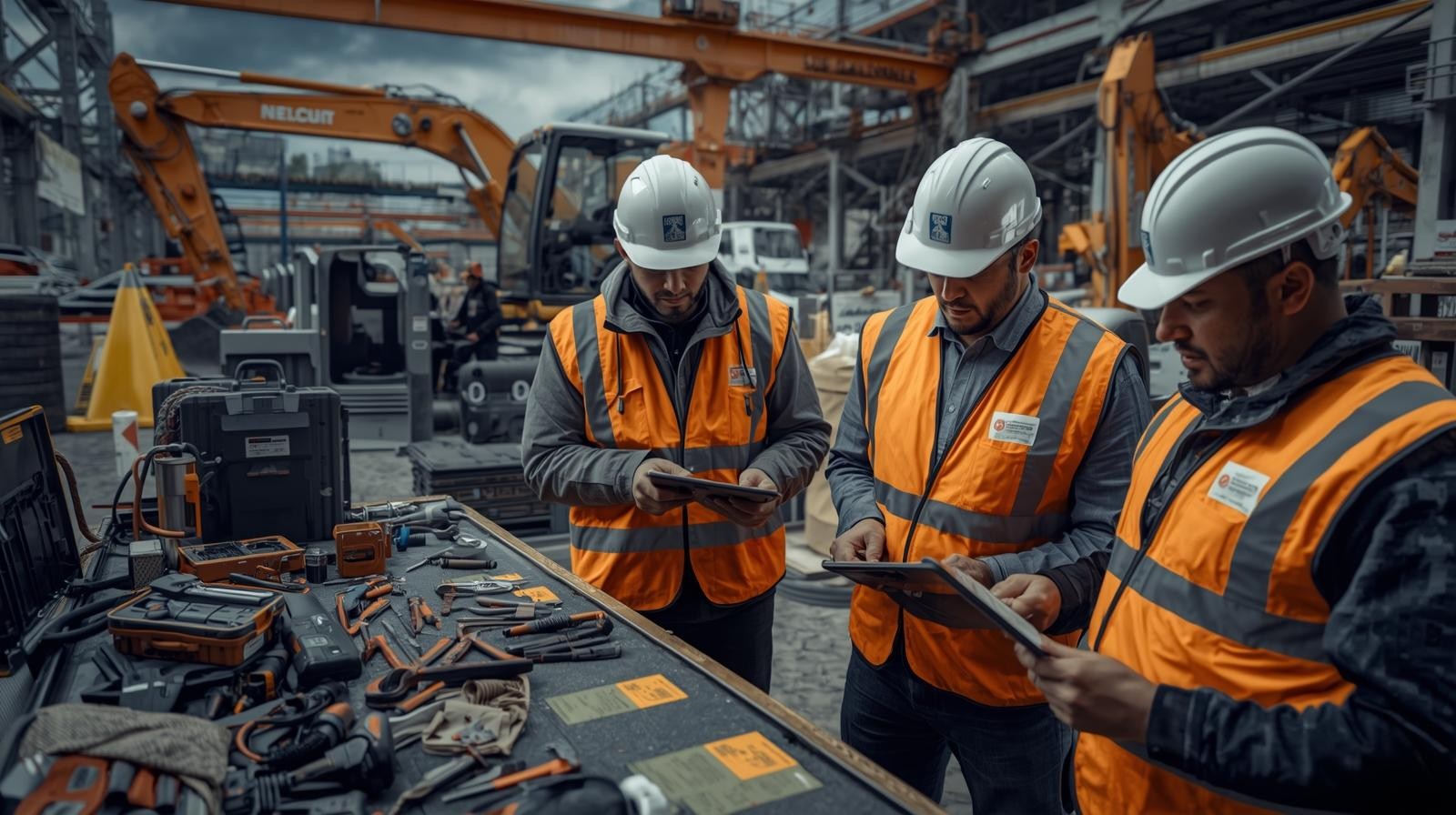
Construction sites depend on dozens—sometimes hundreds—of tools, machines, and safety items every day. Without a structured process, assets go missing, equipment failures are overlooked, and teams lose valuable time searching for the items they need.
A construction daily asset checklist gives crews a clear, repeatable system for confirming equipment availability, detecting issues early, and maintaining safe, efficient operations.
This guide outlines the essential items to include in a daily asset checklist and shows how digital tracking systems improve accuracy and accountability.
Why Construction Teams Need a Daily Asset Checklist
In a fast-paced construction environment, maintaining control over assets such as tools, equipment, and materials is essential. A daily checklist is crucial to ensure that movement across the jobsite remains organized, predictable, and efficient.
1. Assets Move Constantly Across the Jobsite
Throughout the day, tools, equipment, and materials are frequently moved between crews and various zones on the jobsite. This constant movement can result in tools being misplaced, tasks being delayed, and equipment being mixed up, causing disruptions and inefficiencies that can impact project timelines.
Problems
Lost tools
Delayed tasks
Equipment mix-ups
Summary: A daily checklist keeps asset movement well-organized, reducing confusion and minimizing the risk of lost tools and delayed tasks.
2. Equipment Failure Causes Costly Delays
Many tools and pieces of equipment require daily inspections to ensure they are in proper working order before use.
Examples
Power tools
Access equipment
Lifting gear
Summary: Regular equipment checks help prevent breakdowns, reduce safety hazards, and ensure that tasks can proceed smoothly without unexpected interruptions.
3. Accountability Is Often Unclear
When equipment and tools are shared between multiple crews, it’s often unclear who is responsible for their condition. Without proper documentation of who last used a particular item, damaged tools may go unnoticed, and disputes may arise between crews over equipment misuse or damage.
Issues
No record of last user
Damaged tools left undocumented
Disputes between crews
Summary: Daily verification ensures clear accountability, helping to resolve disputes and maintain an accurate record of asset usage and condition.
4. Compliance Requirements Demand Documentation
Construction regulations require regular inspections of certain types of equipment to meet safety and legal standards. Equipment such as electrical tools, fall protection gear, and access or lifting equipment must be inspected regularly to ensure compliance during inspections and audits.
Compliance Covers
Electrical tools
Fall protection gear
Access and lifting equipment
Summary: A daily checklist helps ensure compliance with safety regulations by keeping detailed records of equipment inspections, supporting proper documentation during audits.
5. Paper-Based Systems Are Inconsistent
Relying on paper-based checklists introduces significant inefficiencies, as physical records can get lost, damaged, or ignored. Paper systems also lack the ability to create digital traces or quickly share information with teams, making it challenging to report issues promptly and accurately.
Problems
No digital trace
Hard to share with teams
Slow reporting of issues
Summary: Digital checklists offer a more reliable solution, improving documentation accuracy, streamlining workflows, and enabling faster issue reporting.
What to Include in a Construction Daily Asset Checklist
A comprehensive daily asset checklist is essential for maintaining order, accountability, and safety on construction sites. The following sections outline key categories of assets that need to be checked regularly, along with the specific details to monitor for each type of equipment or tool.
1. Hand Tools
These tools are frequently used by workers, making it critical to inspect them daily. The checklist should verify that all tools are present, in good condition, and stored properly. This includes checking for any visible damage, ensuring that no items are missing, and confirming that each tool is stored in its designated location to avoid misplacement. Includes:
Hammers
Wrenches
Levels
Screwdrivers
Check For: Regular checks of hand tools help identify damage early, reduce the risk of missing items, and ensure that tools are always accessible when needed.
2. Power Tools
These tools require daily checks to ensure they are in safe, working condition. The checklist should verify the battery charge or power supply, inspect cords for wear and tear, and confirm that calibration is correct for tools like drills and saws. Includes:
Drills
Grinders
Saws
Nail guns
Check For: Battery charge, cord condition, calibration.
3. Heavy Equipment
These pieces of machinery are used in high-demand tasks and require careful monitoring. The checklist should cover essential checks like fuel levels, fluid leaks, tire and wheel condition, and the functionality of safety lights. These inspections are critical for preventing unexpected breakdowns, ensuring safe operation, and avoiding costly repairs due to undetected issues. Includes:
Excavators
Skid steers
Forklifts
Telehandlers
Check For: Fuel levels, fluid leaks, tire/wheel condition, safety lights.
4. Safety Equipment
Daily inspections are necessary to ensure these items are in good working condition, free of damage, and still effective for protection. The checklist should include checking for wear and tear, verifying expiry dates (for items like harnesses), and confirming that all equipment is clean and stored correctly. This helps ensure workers are protected throughout the day. Includes:
PPE
Harnesses
Lanyards
Guardrails
Check For: Wear, expiry dates, cleanliness.
5. Lifting & Rigging Gear
The checklist should verify that these items are free from visible damage, such as cracks or frayed edges. It’s also important to check that load tags are intact and that the equipment is properly stored when not in use. Includes:
Slings
Shackles
Chains
Hoists
Check For: Cracks, frayed edges, load tags.
6. Site-Specific Materials
Monitoring the stock levels of these materials and ensuring they are stored correctly is essential for maintaining workflow. The checklist should include verifying that stock counts are accurate and that materials are kept in the proper conditions (e.g., dry and cool storage).
Includes:
Fasteners
Adhesives
Sealants
Check For: Stock counts and storage condition.
7. Vehicles
The checklist should confirm that the vehicles are fueled, tires are in good condition, and there are no visible damages. It’s also important to ensure that vehicles are clean and that their registration is up to date.Includes:
Utes
Trucks
Crew vans
Check For: Fuel, tires, damage, cleanliness, registration validity.
8. Digital Tools
These tools require regular checks to ensure they are properly charged, connected, and calibrated. The checklist should include verifying the battery status, testing connectivity (for radios and GPS), and confirming that tools like laser measurers are properly calibrated. Includes:
Tablets
Laser measurers
GPS trackers
Radios
Check For: Battery status, connectivity, calibration.
Daily Checklist Workflow Best Practice
A structured daily checklist workflow is key to keeping construction operations running smoothly and efficiently. By following best practices for asset management, teams can ensure that equipment, tools, and materials are in proper working order and are accounted for throughout the day.
Start Every Shift With a Pre-Start Inspection
Before starting work, always check that tools and equipment are ready for use. Look for any damage or issues that could disrupt the shift. Catching problems early ensures a smoother and more efficient day ahead.
Summary: Problems identified early prevent delays during the shift.
Use QR Codes to Verify Tools & Equipment
Label tools and equipment with QR codes to easily track their status. Workers can scan these codes to check the condition and assignment of assets. This helps avoid errors from manual logging and ensures accurate tracking.
Summary: Eliminates manual entry errors.
Record Condition With Photos
Take photos of equipment at the start of the shift to document any damage or wear. This provides a clear, visual record for later reference. Using photos helps resolve disputes and supports better maintenance planning.
Summary: Visual reporting reduces disputes and improves maintenance planning.
Confirm Assignments to Crews or Individuals
Assign each tool or equipment to a specific person or team. This makes it clear who is responsible for each asset. Confirming assignments promotes accountability and reduces the chances of loss or misuse.
Summary: Accountability reduces loss and misuse.
Conduct a Post-Shift Asset Check
At the end of the shift, verify that all tools and equipment are returned and properly stored. This helps prevent items from being lost or stolen overnight. A quick check ensures everything is secured and ready for the next shift.
Summary: Prevents overnight loss and theft.
Practical Example: Daily Asset Checklist on a Construction Site
A general contractor overseeing over 80 assets across two active floors needed a more effective daily workflow to improve asset management and prevent disruptions.
Before
Before the new system was implemented, the team faced several challenges:
Missing tools daily
Unsafe power tools discovered mid-shift
Delays due to misplaced equipment
No reliable documentation
After Implementing a Digital Checklist
The introduction of a digital checklist and modern asset management practices brought significant improvements:
QR codes applied to all tools
Pre-start and post-shift checklists introduced
Supervisors received instant reports
Issues documented with photos
Outcome: Tool loss dropped by 55%, and average shift productivity increased meaningfully.
How MapTrack Supports Construction Daily Asset Checklists
MapTrack offers a powerful solution to streamline and enhance the daily asset checklist process through its digital workflows, making it easier for teams to manage tools and equipment efficiently.
QR & Barcode Scanning
MapTrack uses QR codes and barcodes to quickly track tools and equipment. Workers can scan them with mobile devices to check their availability and who is using them. This process helps reduce errors and keeps tools organized.
Daily Inspection Checklists
MapTrack provides mobile-friendly checklists for crews to complete at the start and end of each shift. These checklists ensure all tools and equipment are inspected consistently. It helps workers stay organized and reduces confusion.
Condition Reporting
Workers can take photos of any damage or missing items and upload them to MapTrack. This ensures the condition of tools is documented in real-time. It simplifies maintenance planning and resolves disputes faster.
Real-Time Asset Tracking
MapTrack allows supervisors to see where each tool or piece of equipment is located on the jobsite. This real-time tracking helps prevent misplacement and ensures equipment is where it’s needed. It keeps everything accounted for and easy to find.
Summary: MapTrack makes asset management more efficient by ensuring tools, equipment, and every shift are properly tracked and accounted for. Its digital features improve accuracy, productivity, and organization on construction sites.
FAQ
What should be on a construction daily asset checklist?
Tools, power equipment, heavy machinery, PPE, lifting gear, vehicles, and electronics.
How often should a checklist be completed?
At minimum: pre-shift and post-shift.
Can checklists be completed digitally?
Yes—digital checklists improve accuracy, speed, and accountability.
How does a checklist reduce equipment loss?
It confirms tool locations, last users, and ensures items return after each shift.
Does MapTrack work for large construction sites?
Yes—supports multi-level, multi-zone, and multi-crew workflows.
Can MapTrack track rented equipment too?
Yes—rental assets can be included with the same workflows.
Conclusion & Actionable Takeaways
Construction teams improve efficiency and safety by:
Using a daily asset checklist
Verifying tool condition and availability
Implementing QR-coded tracking
Documenting issues with photos
Assigning assets to individuals or crews
Running both pre- and post-shift checks
MapTrack provides the digital tools needed to make daily checklists fast, accurate, and reliable.