See MapTrack in action
Take a live, one-on-one tour with a product expert to see how MapTrack helps you track assets in real time, improve team efficiency, and prevent costly downtime.
The Best Way to Manage Tools and Equipment in Power Plants
Jul 8, 2025
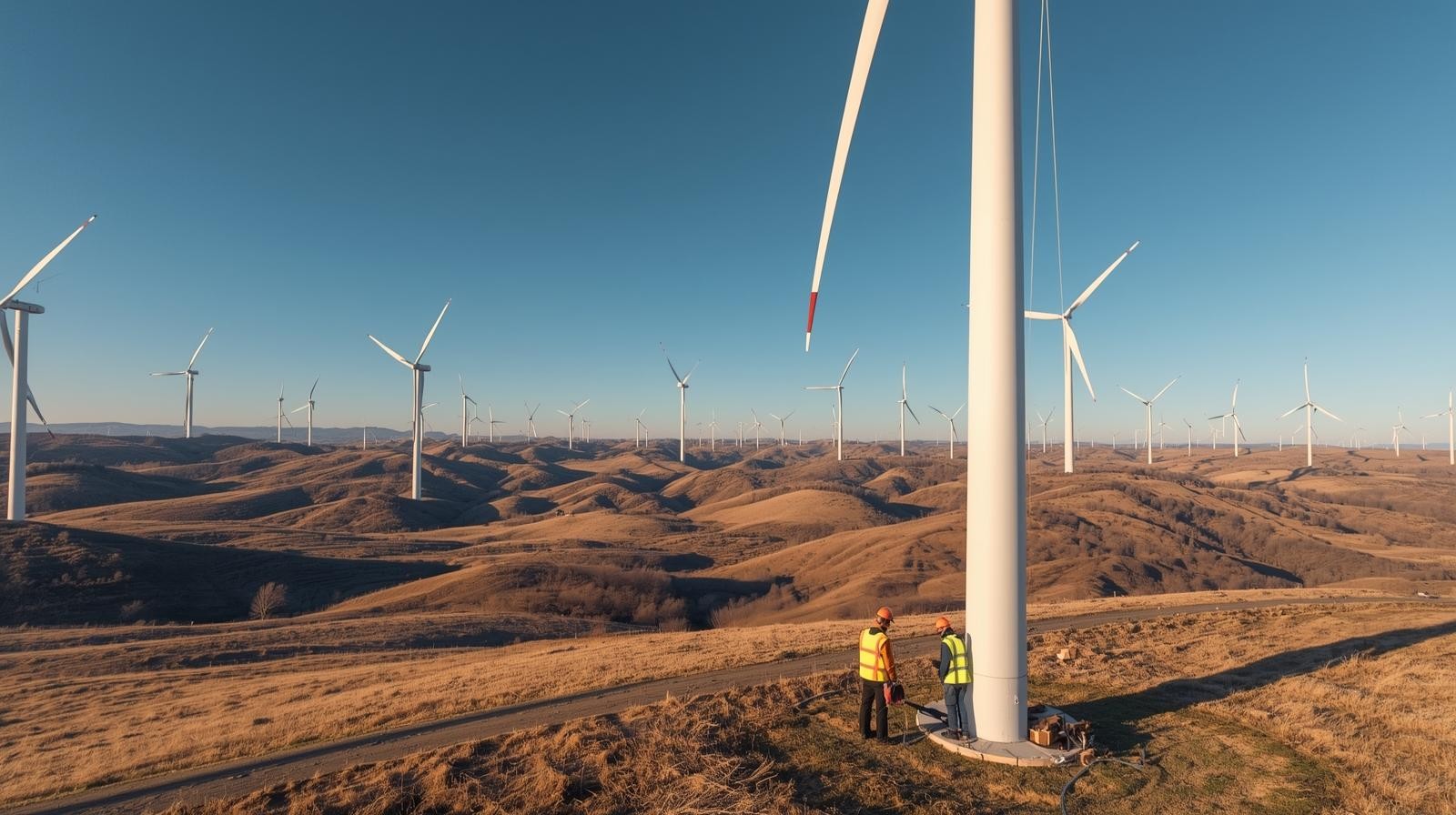
Power plants operate using complex systems of machinery, tools, and safety-critical equipment. From turbines and pumps to handheld tools and calibration devices, every asset must be accessible, functional, and safely maintained.
This article explains the best practices for asset tracking in power plants, helping operations teams, maintenance engineers, and plant managers improve visibility, safety, and operational efficiency.
Why Power Plants Need Robust Asset Tracking
Power plants are critical infrastructure with stringent safety and regulatory requirements. The operation of equipment must meet high standards to protect workers and ensure reliable energy production. A robust asset tracking system helps meet these standards by ensuring that tools and equipment are properly maintained, inspected, and compliant with industry regulations, minimizing the risks of accidents and regulatory violations.
1. High Safety Requirements and Regulatory Compliance
Power plants operate under strict safety protocols to protect workers and ensure continuous, reliable energy production. Ensuring that equipment is functioning properly and is compliant with safety regulations is critical to minimizing risks and maintaining smooth operations. A robust asset tracking system helps ensure that all equipment is regularly inspected, well-maintained, and safely managed.
Challenges
Missing tools during maintenance
Incomplete inspection histories
Poor documentation during audits
Potential use of unsafe or uncalibrated equipment
Summary: Strong tracking improves compliance and reduces safety risks by ensuring tools are accounted for, inspections are complete, and equipment is safe for use.
2. Extensive Inventory Across Large Facilities
With such a large volume of equipment spread across multiple areas, managing inventory effectively becomes a major challenge. Without robust asset tracking, inefficiencies can arise, including the misplacement of tools and equipment, as well as difficulties in locating the required assets in a timely manner.
Common Issues
Tools misplaced between maintenance teams
Poor visibility of equipment availability
Unproductive time spent searching for tools
High-value equipment stored inconsistently
Summary: Centralized visibility improves workflow efficiency and prevents loss by allowing teams to quickly locate assets and keep them in designated storage areas.
3. Maintenance-Driven Operations
Power plants rely on both planned and unplanned maintenance to ensure the continuous, safe operation of equipment. The success of these activities hinges on having immediate access to tools and accurate data on the condition of assets. Without effective tracking, maintenance tasks can be delayed or fail to address critical issues, resulting in equipment breakdowns.
Without Tracking
Preventive maintenance gets delayed
Tools remain out of service longer
Breakdowns occur unexpectedly
Spare parts inventory becomes inaccurate
Summary: Digital tracking supports predictable, safe maintenance by ensuring that tools are available, equipment is properly maintained, and potential issues are addressed before they cause downtime.
4. Harsh Environments Impacting Asset Lifespan
The extreme conditions in power plants, such as high temperatures, vibrations, and exposure to moisture and dust, accelerate the wear and tear on equipment. This environment requires careful monitoring of asset condition to prevent sudden breakdowns and ensure the safe operation of machinery.
Risks
Unreported damage
Unsafe equipment returning to use
Reduced reliability of critical tools
Summary: Photo-based condition reporting reduces operational risks by ensuring that equipment is properly maintained, inspected, and safe to use in harsh plant environments.
Best Practices for Asset Tracking in Power Plants
To optimize asset management and minimize downtime, power plants must implement effective asset tracking strategies. These best practices help ensure equipment is always ready, compliant, and efficiently utilized across the facility, contributing to smoother operations and enhanced safety. One of the first steps in efficient asset tracking is ensuring that every piece of equipment is easily identifiable and trackable.
1. Use Durable QR or RFID Labels on All Assets
Industrial environments, such as power plants, are harsh, with constant exposure to heat, dust, and impacts. To ensure equipment is easily identifiable and traceable, robust labeling systems like QR codes or RFID tags are essential. These durable labels enable effective asset tracking and management in even the most demanding conditions.
Recommendations
High-temperature resistant labels
RFID tags for automated detection
Clear asset ID visible on equipment
Summary: Tough labelling improves tracking accuracy throughout the plant, ensuring assets are easily identifiable and properly managed.
2. Implement Digital Check-In/Check-Out for Field Tools
Proper management of tools and equipment is critical in maintaining safety and efficiency in a power plant. Digital check-in/check-out systems assign responsibility for each asset, ensuring that tools are used by the right personnel at the right time.
Benefits
Trace responsible users
Reduce tool hoarding
Minimize loss during outages
Improve operational discipline
Summary: Assignments ensure every tool has an accountable user, reducing misplacement and improving operational efficiency.
3. Conduct Digital Condition Reports and Safety Checklists
Regular inspection of equipment ensures that it remains in good condition and compliant with safety standards. Technicians should use digital forms to log detailed condition reports and safety checklists, which can be reviewed and acted upon in real time.
What to Include
Damage identification
Calibration status
Wear and tear indicators
Safety qualification checks
Summary: Digital inspections increase reliability and safety by ensuring that all tools and equipment are properly maintained and safe for use.
4. Track Asset Locations in Real Time
Knowing where assets are located at all times helps reduce downtime and ensures that maintenance teams can quickly access necessary equipment. Real-time tracking enables teams to work more efficiently and avoid delays caused by missing or misplaced assets.
Useful For
Turbine halls
Pump rooms
Maintenance workshops
Control rooms
Electrical substations
Summary: Location visibility prevents delays caused by missing equipment, ensuring operations run smoothly and maintenance tasks are completed efficiently.
5. Automate Preventive Maintenance Scheduling
Preventive maintenance (PM) is crucial to avoid unexpected equipment failures and ensure plant reliability. An automated system that triggers reminders for inspection, testing, and calibration helps keep equipment in optimal condition.
PM Components
Scheduled intervals
Technician assignments
Parts usage tracking
Historical maintenance logs
Summary: Automated PM reduces failures and improves equipment uptime by ensuring regular, timely maintenance and proactive management.
6. Analyse Asset Utilisation and Maintenance Trends
By analyzing asset utilization data, power plants can identify trends in equipment usage and maintenance, helping to optimize resource allocation and plan for future needs.
Insights Enable
Optimal purchasing
Balanced equipment distribution
Predictive maintenance
Lifecycle forecasting
Summary: Data-driven asset management improves long-term reliability by optimizing purchasing, resource distribution, and maintenance scheduling.
Practical Example: Asset Tracking During a Planned Shutdown
A planned shutdown involves complex maintenance tasks that require careful management of tools and equipment. To keep operations on track and meet tight schedules, it's crucial to accurately track all assets. A digital tracking system helps overcome common challenges, ensuring tasks are completed on time and with clear accountability.
Before Digital Tracking
Tools misplaced between teams
Delayed maintenance tasks
Lost inspection reports
Poor visibility of tool status
After Implementing a Tracking System
All tools labelled with QR/RFID tags
Technicians check out and return equipment digitally
Condition issues logged instantly with photos
Supervisors see tool location and availability in real time
Outcome
By implementing a digital asset tracking system, the power plant was able to reduce delays significantly during the 14-day turbine maintenance shutdown. Tools were easier to locate, and equipment was properly maintained, leading to fewer disruptions and delays. The system also improved accountability, as technicians and supervisors could easily track tool usage and condition. This proactive approach ensured that the shutdown was completed on time and with minimal downtime, optimizing operational efficiency.
How MapTrack Helps Power Plants Manage Assets
MapTrack is a cutting-edge asset tracking solution specifically designed to meet the demanding needs of power plants. It allows teams to manage equipment and tools with ease, ensuring efficient operation, enhanced safety, and compliance with industry regulations.
Real-Time Visibility of All Equipment
MapTrack provides real-time updates on the location, condition, and status of every piece of equipment. By tracking where assets are, who is using them, and their condition, MapTrack ensures that all equipment is accounted for and in working order. This visibility helps reduce downtime, prevent equipment failure, and ensures that tools are available when needed, thus improving operational efficiency.
Fast Check-In/Check-Out Workflows
MapTrack’s fast check-in/check-out system allows technicians to quickly scan tools and equipment using mobile devices. This process ensures that asset usage is recorded in real time, improving record accuracy and reducing the likelihood of errors. By simplifying the workflow, MapTrack makes it easier for teams to manage inventory and track the availability of tools, increasing overall efficiency.
Digital Condition Reports and Checklists
Technicians can perform and document equipment inspections directly through the MapTrack platform, capturing photos of any issues and logging condition reports. This digital system ensures that all safety checks are performed and recorded accurately, improving compliance with safety standards. It allows for quicker identification of problems and ensures that equipment is always in safe working condition.
Smart Lock Integrations
MapTrack integrates with smart lock systems, providing secure storage for high-value tools and restricted equipment. Access to these tools is controlled, and every entry and exit is automatically logged. This feature helps prevent theft, unauthorized use, and misplacement of critical equipment, ensuring that only authorized personnel have access to essential tools.
Summary: By offering real-time tracking, fast check-in/check-out workflows, digital inspections, and secure smart lock integrations, MapTrack enhances asset management, improves operational efficiency, and ensures compliance with safety regulations.
FAQ
What power plant assets should be tracked?
Hand tools, calibration devices, PPE, electrical tools, GSE, maintenance equipment, and high-value parts.
Does asset tracking improve power plant safety?
Yes—tracking ensures only safe, inspected equipment is used in maintenance and operations.
Can QR or RFID tags withstand harsh environments?
Industrial-grade tags are designed for heat, vibration, and chemical exposure.
How does digital tracking reduce downtime?
By preventing missing tools, speeding inspections, and improving preventive maintenance.
Is mobile tracking suitable for field technicians?
Yes—MapTrack’s mobile-first design is ideal for turbine halls, workshops, and substations.
Can MapTrack integrate with maintenance programs?
Yes—MapTrack complements CMMS systems by providing real-time asset data and inspection results.
Conclusion & Actionable Takeaways
To improve asset tracking in power plants, organisations should:
Use durable QR/RFID labels
Digitise tool assignments
Capture condition reports with photos
Implement real-time location tracking
Automate preventive maintenance
Analyse usage data for better planning
MapTrack strengthens asset control, reduces downtime, and supports safety compliance across complex power plant environments.