See MapTrack in action
Take a live, one-on-one tour with a product expert to see how MapTrack helps you track assets in real time, improve team efficiency, and prevent costly downtime.
The Fastest Way to Reduce Project Delays Using GPS
Jul 5, 2025
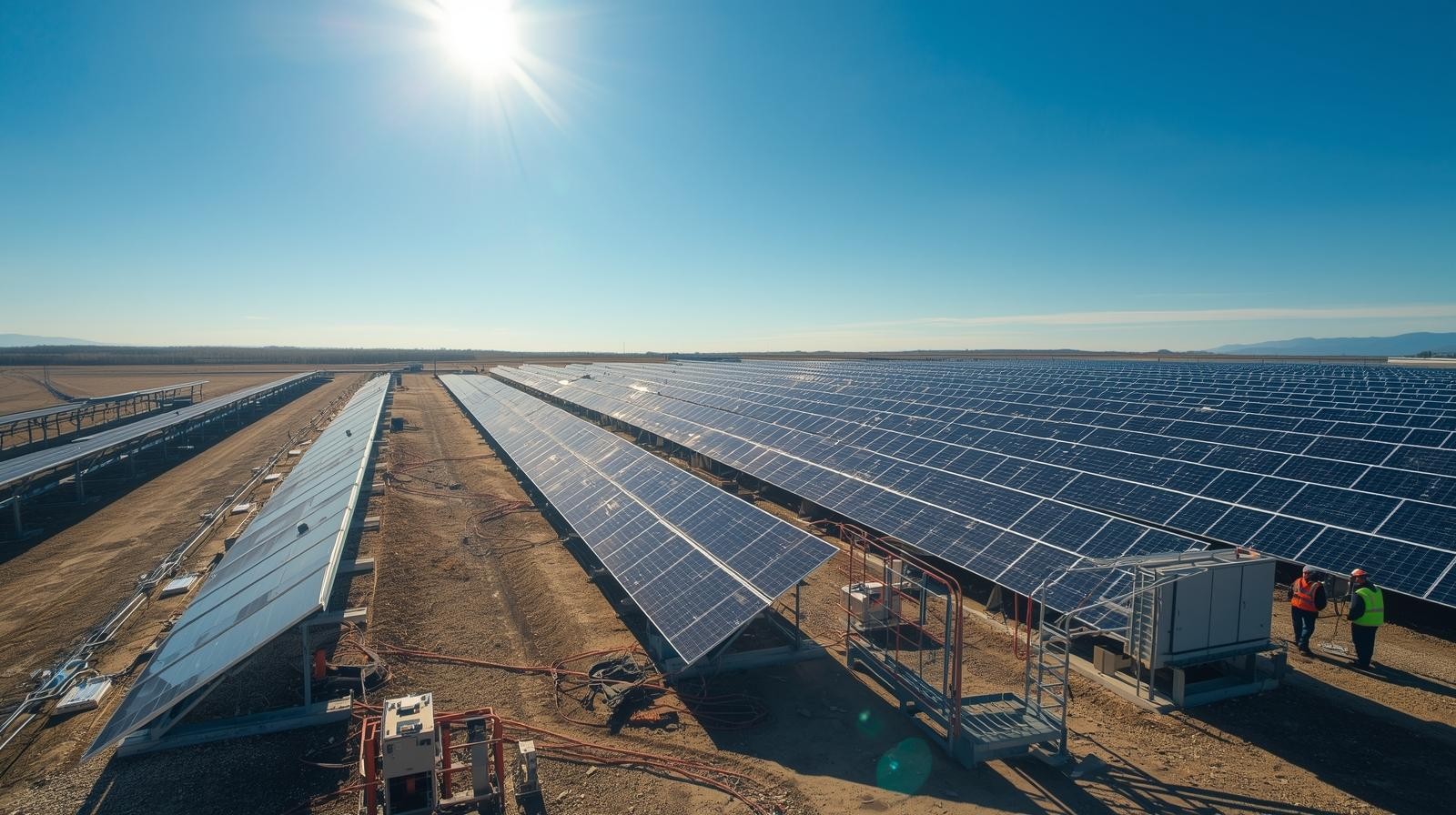
Energy projects—solar farms, wind turbines, transmission line builds, oil & gas fields, and power plants—rely on hundreds of mobile assets. From vehicles and heavy machinery to generators and field tools, every delay impacts budgets, safety, and operational timelines.
This article explains how GPS tracking reduces downtime in energy projects by improving asset visibility, streamlining field operations, and preventing equipment-related delays.
Why Downtime Happens in Energy Projects
Downtime in energy projects can arise from a range of factors, often tied to inefficient asset management and lack of visibility into operations. Understanding the root causes of downtime is essential for finding effective solutions. Below are common reasons why downtime occurs, along with how GPS technology can help mitigate these challenges.
1. Poor Visibility Into Equipment Locations
In large-scale energy projects, sites often span vast geographical areas, making it challenging to track equipment.
Common Issues
Field teams unable to locate vehicles
Machinery stranded in remote zones
Time wasted driving between sites
Miscommunication on asset availability
Summary: GPS provides real-time location visibility to eliminate search time.
2. Delays Caused by Unplanned Maintenance
When equipment maintenance isn’t properly scheduled or monitored, machinery may break down unexpectedly during crucial phases of a project.
Issues Without Tracking
Overused equipment without monitoring
Late identification of mechanical issues
Service teams unaware of asset location
Projects experiencing sudden work stoppages
Summary: GPS usage + engine-hour monitoring enables timely maintenance.
3. Inefficient Deployment of Resources
In many cases, energy project teams compete for the same resources, leading to delays when equipment isn’t allocated effectively.
Examples
Excavators sitting idle at one work zone
Vehicles leaving sites underutilised
Tools forgotten at previously completed sections
Summary: GPS helps teams coordinate which assets should be deployed where.
4. Fuel Waste and Idling
Unmonitored vehicle activity contributes to unnecessary fuel consumption, raising operational costs and causing delays in the field.
Downtime-Related Problems
Heavy idling generates fuel waste
Vehicles unavailable due to misuse
Fuel shortages delay field operations
Summary: GPS tracking reduces fuel-related downtime through usage monitoring.
5. Difficulty Managing Multiple Contractors
Energy projects often involve multiple subcontractors using shared project assets, making oversight and coordination challenging.
Challenges
No visibility into contractor equipment usage
Poor accountability
Misplaced or unreturned equipment
Summary: GPS improves oversight, accountability, and project-wide coordination.
Best Practices for Using GPS to Reduce Downtime
To effectively reduce downtime and optimize operations, implementing best practices for using GPS technology is essential. GPS devices can offer real-time insights that help streamline asset management, improve efficiency, and prevent delays. Below are key strategies to make the most out of GPS technology in reducing downtime.
1. Track All Critical Mobile Assets With GPS Tags
The foundation of effective asset management starts with ensuring that all high-value or frequently moved equipment is equipped with GPS devices.
Useful For
Vehicles
Generators
Earthmoving equipment
Utility trailers
Fuel tanks
Mobile substations
Summary: Location tracking prevents bottlenecks caused by missing or idle tools.
2. Use GPS Data for Predictive Maintenance
Building on the foundation of tracking assets, the next critical step is utilizing the data collected from GPS devices for predictive maintenance. By monitoring usage hours, mileage, and operation cycles, teams can stay ahead of potential issues.
Benefits
Plan maintenance before breakdowns occur
Reduce unexpected repairs
Extend asset lifespan
Optimize service team scheduling
Summary: Predictive maintenance avoids unplanned downtime.
3. Monitor Utilisation to Improve Asset Allocation
Once assets are being tracked, the insights gained can be leveraged to improve asset allocation. GPS data reveals how often equipment is used, allowing teams to better allocate resources to where they’re needed most.
Insights Help You
Identify underutilised assets
Redistribute machinery to critical zones
Justify equipment rentals or purchases
Reduce costly overstock
Summary: Optimised allocation accelerates project timelines.
4. Improve Field Coordination Using Real-Time Location Data
With GPS providing real-time data, field teams gain precise visibility of asset locations, allowing for faster mobilization.
Useful For
Solar farm installations
Wind turbine construction
Transmission line maintenance
Pipeline builds
Power station upgrades
Summary: Faster coordination equals fewer delays.
5. Strengthen Security to Prevent Theft-Related Downtime
In remote energy project sites, theft is a significant concern that can disrupt operations. GPS technology helps enhance security by providing immediate alerts for unauthorized movement and by enabling quick asset recovery.
GPS Benefits
Alerts for unauthorised movement
Geo-fencing around restricted areas
Quick recovery of stolen assets
Summary: Reduced theft leads to uninterrupted project execution.
Practical Example: Reducing Downtime in a Wind Farm Construction Project
A wind energy contractor manages dozens of cranes, trucks, tools, and support vehicles across a remote site.
1. Before GPS Tracking
Crane operators waited hours for missing support vehicles
The wrong equipment delivered to the wrong turbine location
Maintenance teams struggled to locate machinery needing service
Project delays increased costs
2. After Implementing GPS
Supervisors located all assets instantly
Equipment shared more efficiently between turbine pads
Preventive maintenance scheduled based on usage hours
Travel time reduced significantly
Outcome: Equipment-related downtime decreased by 45%, accelerating project completion.
How MapTrack Helps Reduce Downtime in Energy Projects
MapTrack extends GPS capabilities with a complete asset tracking ecosystem tailored for field operations.
Real-Time Equipment Visibility
With MapTrack, organizations gain complete and accurate GPS-based location data for every critical asset, including tools, vehicles, and machinery. This real-time visibility enables decision-makers to monitor the exact position of their equipment at any given moment, allowing for better planning, reduced search times, and proactive management of potential bottlenecks. This level of transparency is essential for minimizing downtime, ensuring assets are where they need to be when they need to be there.
Fast Check-In/Check-Out
MapTrack facilitates a seamless check-in/check-out process for all field equipment. With integrated photos, timestamps, and condition reports, the system tracks who used which asset, when it was used, and the condition it was returned in. This ensures accountability and visibility across the board. Furthermore, it allows for faster identification of equipment issues, minimizing delays caused by mismanagement or unreported damage.
Condition Reports & Checklists
Equipped with robust inspection tools, MapTrack enables teams to capture condition reports with detailed photos and structured workflows. This ensures that equipment is always thoroughly inspected before and after use, facilitating early detection of potential maintenance needs. The system's comprehensive checklists streamline the inspection process, making it easier for teams to identify and address problems before they escalate, thus preventing costly downtime.
Smart Lock Integrations
Security is paramount in managing valuable assets. MapTrack’s smart lock integrations provide an added layer of protection by securing equipment containers and restricting access to authorized personnel only. This intelligent access control ensures that equipment remains safeguarded from theft or misuse, further reducing risks that could otherwise result in downtime or operational setbacks.
In summary, MapTrack provides an essential suite of tools for energy projects, combining real-time tracking, enhanced accountability, and robust security to keep operations running smoothly and efficiently.
FAQ
What equipment benefits most from GPS tracking in energy projects?
Vehicles, heavy machinery, generators, trailers, fuel tanks, and mobile tools.
Can GPS work in remote project locations?
Yes—modern devices support satellite-based connectivity for remote areas.
Does GPS help reduce fuel usage?
Yes—GPS monitoring reduces idling, optimises routes, and prevents misuse.
What types of downtime can GPS prevent?
Equipment searching, maintenance delays, fuel shortages, theft, and resource misallocation.
Can GPS be integrated with MapTrack?
Yes—MapTrack supports GPS data, asset records, condition reporting, and real-time visibility.
Is GPS suitable for large multi-zone energy projects?
Absolutely—GPS is essential for wide-area coordination and resource optimisation.
Conclusion & Actionable Takeaways
To reduce downtime in energy projects, organisations should:
Install GPS on all mobile assets
Use GPS usage data for predictive maintenance
Track asset utilisation for efficient allocation
Improve field coordination with real-time data
Secure assets with geo-fencing and alerts
Integrate GPS with digital asset management platforms
MapTrack empowers energy companies to minimise delays, boost productivity, and ensure safer, more efficient project execution.